 Reviews

 Proudly American

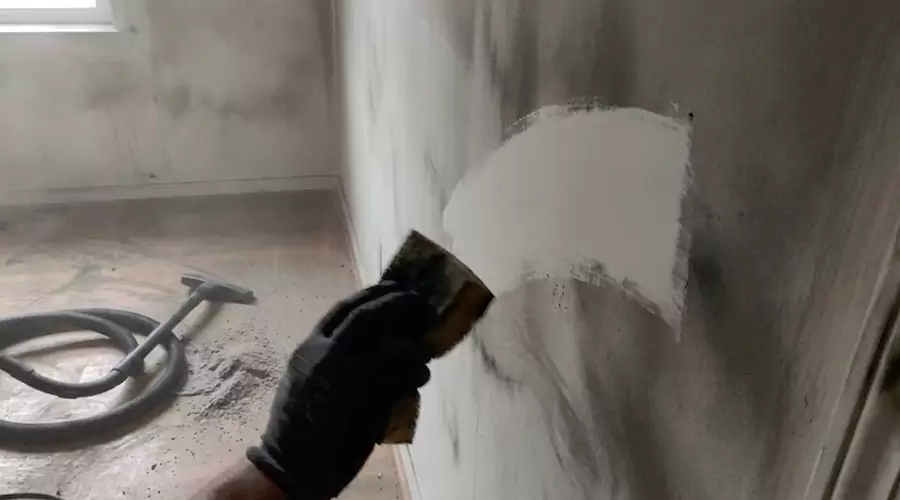
Smoke smell lingers after a fire because tiny particles cling to almost every surface in the home. They settle into walls, ceilings, furniture, carpets, curtains, and even the HVAC system. Airing out the house helps, but complete odor removal usually takes deeper cleaning and treatment. In this guide, we will walk you through how the smoke smell can be removed completely from a house by using DIY and professional measures.
Why Smoke Smell Stays in a House After a Fire?
Smoke odor lasts because porous materials absorb residue deep inside the home. Drywall, insulation, wood, fabric, and carpet can all trap smoke particles, which makes the smell difficult to remove with surface cleaning alone.
Leftover soot can keep releasing a burnt odor when cleaning is incomplete. The smell often hides in attics, air ducts, behind walls, under flooring, and inside cabinets, so the damage can continue long after the fire is out.
Start With Safety Before Cleaning Smoke Damage
Make Sure the Property Is Safe to Enter
Check for structural concerns before doing any cleanup. Fire can weaken floors, ceilings, framing, and stairways, and damaged electrical systems can create serious hazards.
Wear Proper Protective Gear
Use gloves, goggles, and a mask rated for fine particles before touching soot or debris. Smoke residue can irritate your eyes, skin, and lungs, especially in enclosed spaces.
Know When to Call a Fire Damage Restoration Team
Bring in a fire damage restoration team when the damage is severe, widespread, or tied to HVAC contamination. Professional help is also the better choice when smoke has reached hidden spaces, the home has heavy soot buildup, or cleaning would require specialized equipment.
Air Out the House the Right Way
Steady airflow helps move smoke contaminated air out of the home instead of letting it settle into surfaces again. Open windows and doors when conditions are safe, then place fans near windows and exits to push stale air outside and draw fresher air through the space. Dirty filters can make the problem worse by recirculating smoke smell through the home. Replace HVAC filters as soon as possible, and avoid running the system until the ductwork and vents have been checked and cleaned if needed.
Remove Burned Items and Smoke-Damaged Debris
Take out charred furniture, burned fabrics, and heavily damaged items as soon as you can safely do so. These materials hold smoke residue and keep releasing odor into the home, even after the fire is out.
Sorting damaged items early makes odor control easier because it removes the biggest sources of contamination first. Once those items are gone, the cleaning process becomes more effective and the smell has fewer places to hide.
Clean Every Surface That Holds Smoke Residue
Wash Walls, Ceilings, and Trim
Use the right cleaning products for smoke residue so the soot does not smear or settle deeper into the surface. Start from the top and work downward so you do not drag residue onto areas you already cleaned. In many homes, walls, ceilings, and trim need more than one pass to remove the odor source fully.
Clean Floors and Hard Surfaces Thoroughly
Pay close attention to tile, wood, laminate, and baseboards because smoke particles often cling to these areas. Wipe and rinse carefully so residue does not get pushed into seams or corners.
Cabinets, Doors, and Light Fixtures
Smoke odor often hides in overlooked surfaces like cabinet interiors, door frames, and light fixtures. These spots can collect residue even when they do not look badly damaged. Cleaning them thoroughly helps stop the smell from lingering and spreading back through the house.
Deep Clean Soft Materials That Trap Smoke Smell
Soft materials often hold smoke odor much longer than hard surfaces. Carpets, rugs, curtains, bedding, upholstery, and pillows may need repeated washing if the smell is still present after the first cleaning. In many cases, soft surfaces need specialized deodorizing because surface cleaning alone does not reach deep enough, which is why professional fire and water cleanup is often required.
Deep extraction usually works better than basic surface cleaning because it pulls residue from inside the fibers. That matters when smoke has settled into padding, fabric layers, or upholstered furniture. If the odor stays after cleaning, the material may need professional treatment or replacement.
Deodorize the Air and Interior Materials
Odor control products can help remove lingering smoke smell from the air and nearby surfaces. Baking soda, activated charcoal, and similar odor absorbing options may help with lighter odors in enclosed spaces. These methods can support the cleanup process, but they usually work best after soot and residue have already been removed.
Restoration companies often neutralize smoke odors at the source instead of just masking them. They may use specialized deodorizing treatments that target trapped odor in materials and air spaces. Filtration also helps by removing fine airborne particles that keep the smell circulating through the home.
Check the HVAC System for Smoke Contamination
Smoke residue inside ducts can keep the smell coming back even after the rest of the house looks clean. When the HVAC system runs, it can spread contaminated air through the home again and undo some of the cleanup work. That is why the system should be checked carefully before normal use resumes.
Pay Attention to Hidden Smoke Odor Sources
Insulation and Drywall
Smoke can penetrate so deeply into insulation and drywall that surface cleaning is no longer enough. When that happens, the odor stays inside the material and continues to release over time.
Crawl Spaces, Attics, and Closets
Crawl spaces, attics, and closets can trap smoke odor for weeks because air circulation is limited there. These areas are easy to miss during a quick cleanup, but they often hold enough residue to affect the whole house. A full odor removal plan should include these hidden spaces.
Appliances and Electronics
Smoke residue can remain inside appliance vents and the internal parts of electronics. Even if the outside looks clean, odor may continue to come from fans, cords, controls, and openings. Some items can be restored, but others may need professional cleaning or replacement depending on the level of contamination.
DIY Smoke Odor Removal vs Professional Restoration
When DIY Methods Can Work?
DIY methods can work when the smoke exposure is light, the affected area is limited, and there is no major structural damage. The key is to clean thoroughly before the smell has time to settle deeper into the home.
When Professional Help Is the Better Choice?
Professional help is usually the better choice when smoke damage is heavy or the odor remains after repeated cleaning. It is also the safer option when the HVAC system is contaminated or soot has spread throughout the house. In those situations, restoration crews can reach hidden contamination and use specialized deodorizing methods that are difficult to match with standard cleaning.
How Long It Takes to Remove Smoke Smell From a House?
The timeline depends on the size of the fire, the type of materials affected, the speed of cleanup, and the quality of deodorization. A small smoke event may improve in a short time, while deeper contamination can take much longer to fully resolve. Homes with porous materials or widespread soot often need a more detailed process before the odor is gone.
How to Prevent Smoke Odor From Returning?
Remove All Soot Completely
Partial cleaning often leads to recurring odor because leftover soot continues to release smoke smell over time. When residue remains behind, the odor can come back even after the home seems clean.
Replace Materials That Cannot Be Saved
Some materials hold smoke odor so deeply that cleaning is not enough. Insulation, carpet padding, and badly damaged drywall often need replacement when contamination is severe. Removing unsalvageable materials helps stop the smell at the source instead of masking it.
Monitor the House After Cleanup
Check rooms, vents, and soft materials over time to make sure the odor does not return. Smoke smell can linger in hidden spaces and reappear when humidity changes or the HVAC system runs. A careful follow up helps confirm that the cleanup was complete.
Final Thoughts
Smoke smell removal requires thorough cleaning, deodorizing, and close attention to hidden contamination. The process works best when every source of odor is addressed, not just the visible damage. When the smell persists, professional fire damage restoration can make the difference between a temporary fix and a lasting solution.